
Whoa. Okay—so first impression: NFTs on Solana feel fast, cheap, and kind of liberating compared to Ethereum gas nightmares. Really? Yep. My gut said early on that a lightweight browser wallet would change how I collect and trade NFTs, and honestly it’s been true more times than not.
I’ve used a handful of Solana wallets as a browser extension over the last two years. Some were clunky. Some were secure but annoying. The one that stuck? Phantom. It just…works. Short story: if you care about a smooth NFT experience in your browser, you want an extension that balances security, UX, and Solana-native features without asking you to be a full-time blockchain engineer.
What makes a good Solana NFT wallet extension?
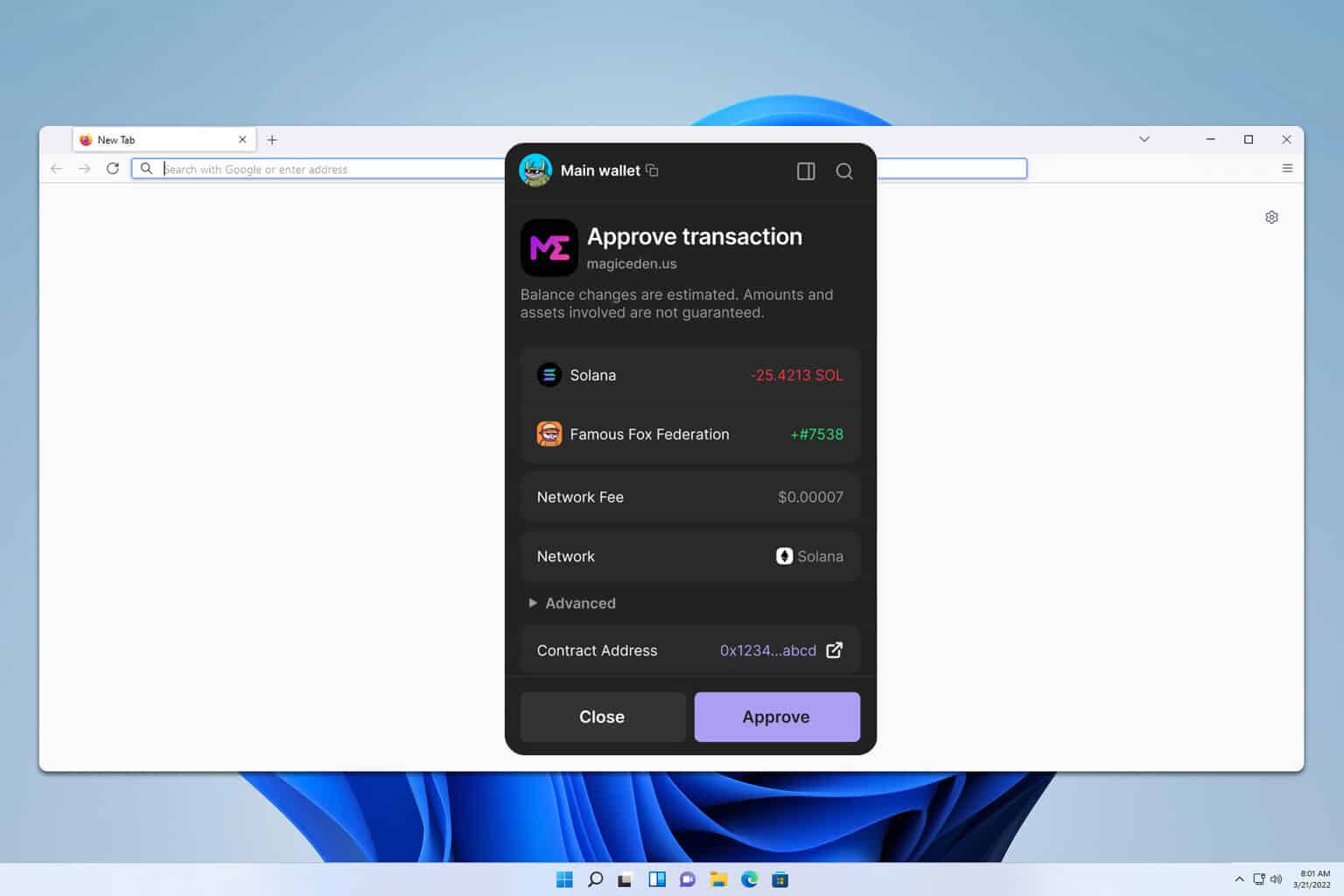
Here’s the thing. For NFTs specifically, two things matter most: previews and signing flow. Short delays kill collector momentum. Long, cryptic signing prompts kill trust. Phantom nails both. The UI shows thumbnails and metadata so you can actually see what you’re about to buy or transfer. The signature pop-ups are concise. They tell you what’s being signed and why. That matters.
Security is next. Multi-layered protection without constant friction is the sweet spot. Phantom offers a seed phrase backup and local encryption. No hardware wallet? Fine. Use a strong password. Want extra protection? Connect a Ledger. On one hand, integrations increase attack surface. On the other, they make high-value operations safer. I prefer the Ledger route for primary collections—though I’m not 100% obsessive about it for every drop.
Integration with marketplaces and wallet adapters is another piece. If your wallet doesn’t play nice with auction sites, you’ll hit dead ends. Phantom’s ecosystem support—wallet adapters, dApp compatibility—means fewer awkward manual transfers. On the flip side, that convenience means you need to watch dApp permissions. Quickly revoke access when you’re done.
Installing an extension without the headache
Okay, so you want to try it. I usually tell friends to grab Phantom via the official install link. It’s simple, and it avoids sketchy builds. If you want the browser extension, this is the link I trust: phantom wallet. It takes you to the download flow and the setup steps are straightforward—create a password, write down the seed phrase, and you’re off.
Be careful though. Scammers love fake extension pages. Double-check the URL bar and confirm the publisher before you install. Also don’t paste your seed phrase anywhere other than the secure backup you write down. Seriously. Say it again out loud if you have to: never ever paste your seed phrase into a website or chat.
Using Phantom for NFTs: practical tips
Wallet setup is the easy part. The fun begins when you’re actually handling NFTs. Quick checklist from my experience:
- Enable transaction previews so you see exactly what you sign.
- Check metadata on-chain if something looks off.
- Use Ledger for high-value transfers.
- Revoke dApp permissions periodically.
One thing that bugs me: sometimes marketplaces display lazy metadata, and you get a surprise after purchase. That’s not a wallet problem per se, but the wallet can help by showing more detail before the sale finalizes. Phantom has gotten better at this; it’s now common to see the actual token visuals in the extension modal rather than just a line of text.
Also—gas is cheap on Solana, but that doesn’t mean you should be cavalier. Transaction failures can still happen. If a drop uses complex instructions, watch the transaction logs or check explorers like Solscan if things look funky.
When to use another wallet or a hardware device
On one hand, browser extensions are convenient for everyday collecting and quick trades. On the other hand, nothing beats a hardware wallet for storing your main collection long-term. Honestly, I keep most of my high-value NFTs on a Ledger that I only connect when needed. For daily interactions I use Phantom. It’s a workflow that feels smart and practical.
Another scenario: if you’re building or testing dApps, you might want a more developer-focused wallet or a CLI tool. Phantom isn’t a dev-only tool, but it integrates well with dev environments through the Wallet Adapter. So you get the best of both worlds—user-friendly UI and developer tooling compatibility.
FAQ
Is Phantom safe for NFTs?
Yes, when used responsibly. Phantom uses local encryption and supports hardware wallets for signing. The biggest risks are phishing sites, fake extensions, and careless disclosure of seed phrases. If you follow basic crypto hygiene—use official links, confirm URLs, back up your seed, and use a hardware wallet for large holdings—Phantom is a solid choice.
Can I recover my NFTs if I lose access to my device?
Mostly yes—if you have your seed phrase. Your seed phrase is the master key to recover your wallet on another device. No seed phrase? Then you’re likely out of luck. That’s why backups are essential. Also consider splitting backups or using a hardware wallet for long-term storage.
Do I need to pay high fees on Solana?
No—Solana fees are typically tiny compared to Ethereum. That makes experimenting with NFTs more affordable. Still, monitor congestion during major drops—fees can spike a bit and retries might be needed.